
By Henry Parr
Earlier this month, Mayor de Blasio announced in his State of the City address that his administration had made plans to create a new citywide ferry service. The proposed plans would increase the number of ferry lines and include new stops in the Bronx, Queens, South Brooklyn, and Staten Island. While de Blasio has argued that increasing ferry service to the outer boroughs will connect outer borough residents to larger job centers in Manhattan, others are less certain it will be a success.
Benjamin Kabak laid out his concerns over the ferry on his blog soon after the Mayor announced the plans. Kabak argues that the ferries would be unlikely to serve a population sufficient to cover the costs. The ferry stops would service mainly those living on the riverfront and not those who can take the subway, and the city has already had to pay hefty subsidies for the current ferries.
The current state of the ferry system doesn’t give the Mayor’s proposal much support. In this past year, the city cancelled ferry service from the Rockaways to Manhattan after it went underused and forced the city to pay a $30 per rider subsidy. The privately run East River Ferry is also unable to meet sufficient usage to keep fares as low as the regular subway fare of $2.75 and had to receive a $2.22 per passenger subsidy from the city.
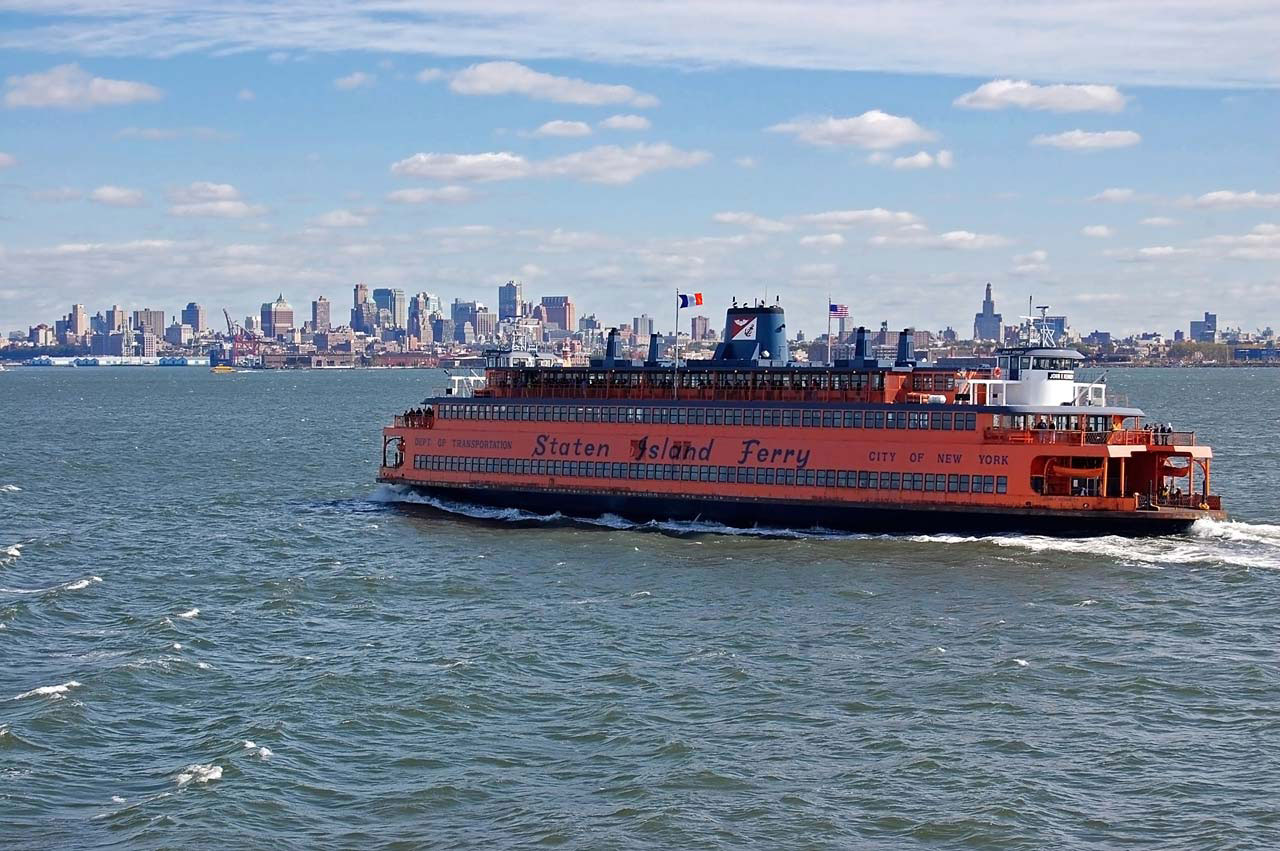
In the alternative, the ferries to Staten Island and New Jersey serve millions of passenger a year. Transportation experts suggest that these ferries, and others like them, do well because they have terminals in densely populated areas and business districts. The proposed ferry service is looking to remedy the congestion caused by the increase in population and value of Brooklyn’s riverfront neighborhoods such as Williamsburg. This past fall, real estate developers proposed an alternative high-flying solution to the overcrowding on the subways, urban gondolas.
Ferries have historically been a favorite topic for New York City officials. Rudolph Giuliani eliminated fares on the Staten Island ferry, and Michael Bloomberg lobbied for ferries from Brooklyn to the Rockaways. For politicians, ferries are appealing as they don’t cost much and offer residents more access. As one spokesperson for the commuter advocacy group, Straphanger’s Campaign, said, “[b]eing anti-ferry is like being anti-Bambi.” There is little need to construct expensive infrastructure that other forms of public transportation require. Additionally, ferries don’t congest roads or take up parking spaces.
If the mayor can overcome the skeptics, and rally the support of city council members who also seem to support it, the proposed increase may become a reality. Ultimately, the success of the ferry won’t rely on political will, but whether Brooklyn’s riverfront districts are growing fast enough to support public transportation infrastructure. Should the ferries fail and require heavy subsidies, however, de Blasio may find himself in much less navigable waters.
Links from this Article
http://www.scribd.com/doc/254625039/Proposed-NYC-Ferry-Expansion-Map
http://www.bloomberg.com/news/articles/2015-02-17/new-york-going-back-to-future-with-ferry-expansion-plan-cities
http://www.citylab.com/commute/2014/09/next-up-for-brooklyn-an-urban-gondola/380245/
